
Comparing Beginner and Advanced Dog Grooming Courses
Beginner dog grooming courses teach foundational skills such as bathing, brushing, and basic clipping, focusing on safe tool use and handling simple coat types. Advanced courses build on this knowledge with breed-specific styling, intricate cutting techniques, and specialized equipment dog grooming course malaysia. They also cover complex temperament management and professional certification preparation. These programs equip learners for diverse career paths and emphasize ongoing education to maintain skills. Understanding these progression stages reveals how grooming expertise deepens with training.
Essential Skills Covered in Beginner Dog Grooming Courses
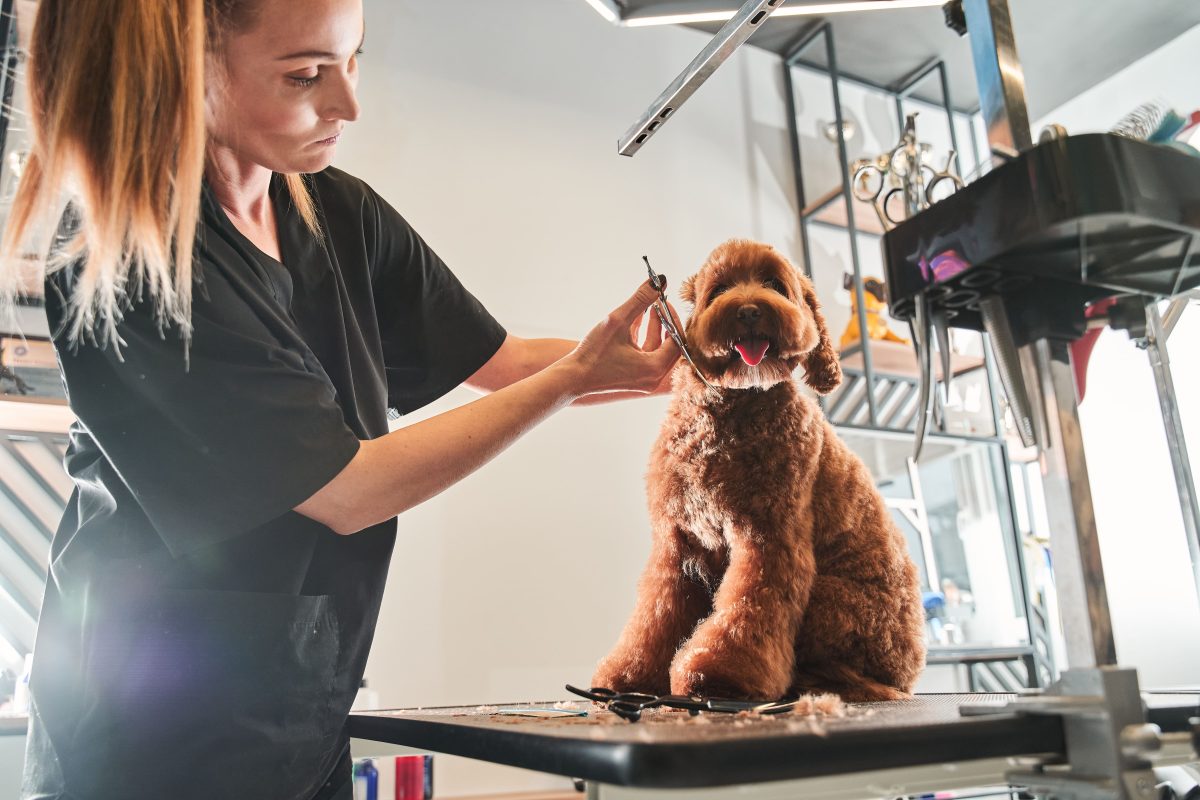
Although beginner dog grooming courses vary in structure, they consistently focus on foundational skills such as bathing, brushing, clipping, and nail trimming.
These core techniques enable learners to confidently handle different coat types and maintain basic hygiene. Emphasis is placed on understanding dog behavior to guarantee safe https://cosmos.petuniverse.com/dog-grooming-course/, stress-free grooming sessions.
Courses often include instruction on selecting appropriate tools and products, fostering independence in managing grooming tasks. The curriculum is designed to build competence quickly, allowing participants to practice skills in a controlled environment.
This practical approach supports those seeking flexibility and autonomy, offering essential knowledge without overwhelming complexity.
Advanced Techniques and Styling in Grooming Programs
When progressing beyond basic grooming skills, advanced techniques and styling become essential components of thorough grooming programs.
These courses explore breed-specific cuts, creative scissoring, and intricate clipping patterns that elevate a groomer’s artistry. Mastery of hand-stripping, texturizing, and sculpting allows for personalized looks that enhance each dog’s natural features.
Advanced programs also emphasize coat condition assessment and tailored styling to suit different coat types and client preferences. This level of training fosters greater confidence and versatility, enabling groomers to express creativity while maintaining canine comfort and safety.
Ultimately, advanced techniques empower groomers to move beyond routine trims, offering bespoke grooming services that reflect skill, precision, and an appreciation for canine individuality.
Equipment Familiarity and Usage Across Course Levels
Building on the mastery of advanced grooming techniques, understanding the tools that facilitate these skills is equally important.
Beginner courses introduce essential equipment such as basic clippers, scissors, brushes, and combs, focusing on safe and effective usage. This foundational knowledge enables novices to gain confidence and independence in grooming tasks.
In contrast, advanced courses explore deeper into specialized tools, including high-performance clippers, thinning shears, and grooming tables designed for efficiency and ergonomics. These courses emphasize precision and versatility, preparing students to handle complex grooming demands.
Across both levels, equipment familiarity fosters freedom by empowering students to select and use tools that best suit their style and the dogs’ needs, promoting professionalism and creativity in grooming practices.
Handling Different Breeds and Temperaments
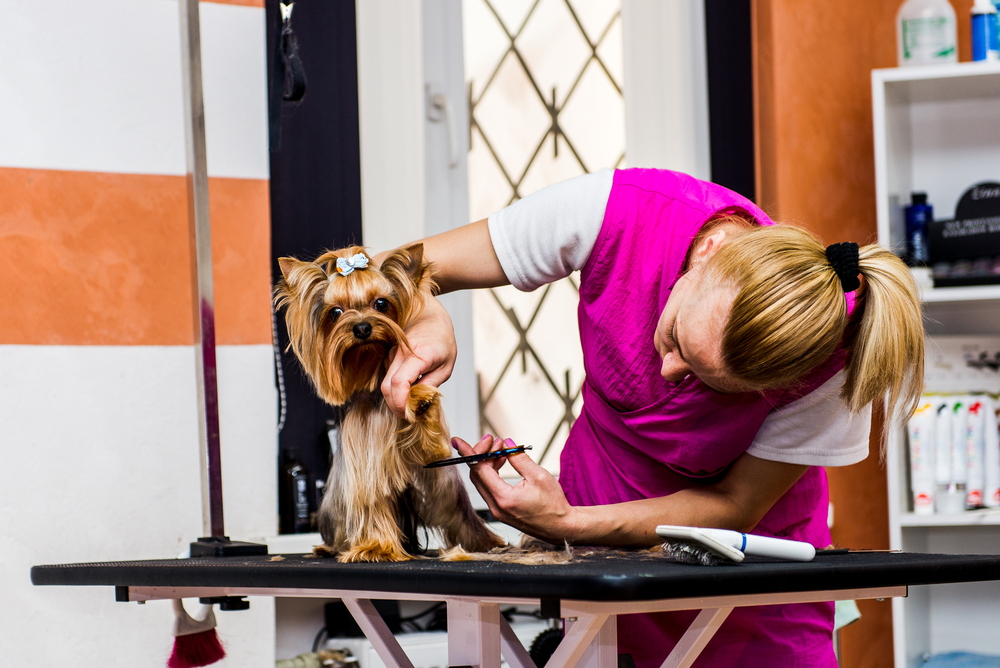
A variety of dog breeds present unique grooming challenges that require tailored approaches to guarantee comfort and safety.
Beginner courses typically introduce students to basic breed characteristics and common temperaments, while advanced courses explore deeper into nuanced handling techniques.
Key considerations include:
- Coat type variations—curly, straight, double-coated—and their specific grooming needs.
- Behavioral tendencies—nervousness, aggression, or tolerance levels—that influence handling methods.
- Size differences—small breeds versus large breeds—and ergonomic strategies for grooming.
- Health and skin conditions that may require gentle or specialized care.
Mastering these elements allows groomers to provide personalized treatment, enhancing the dog’s experience and ensuring professional outcomes.
This knowledge empowers groomers to work confidently across diverse canine clients, embracing the freedom to adapt techniques freely.
Certification, Career Opportunities, and Continuing Education
Certification serves as a foundational credential for dog groomers, validating their skills and knowledge within the industry.
Beginner courses often prepare students for entry-level certification, while advanced programs offer specialized credentials that enhance professional credibility. Career opportunities expand greatly with certification, ranging from salon employment to mobile grooming and entrepreneurship, offering flexible work environments.
Continuing education is essential for staying current with evolving grooming techniques, breed standards, and safety protocols. Advanced courses frequently include workshops and seminars that foster ongoing skill development, enabling groomers to maintain certifications and adapt to market demands.
This commitment to lifelong learning empowers groomers to build sustainable careers with autonomy, aligning their professional growth with personal freedom and evolving industry trends.
Conclusion
Beginner dog grooming courses focus on foundational skills, basic equipment use, and handling common breeds, providing essential knowledge for newcomers. In contrast, advanced programs emphasize specialized techniques, complex styling, and managing diverse temperaments. Both levels enhance equipment familiarity but differ in depth and scope. Certification obtained through these courses can open career opportunities and encourage continuing education, supporting professional growth within the grooming industry. Together, they offer a structured pathway from novice to expert groomer.
